75mm Studio, Building Precise Scan Data for 'Gwanghwamun Seoul Light' Media Facade
Cutting-edge Media Facade Realized with Precise LiDAR Scan Data
Cutting-edge Media Facade Realized with Precise LiDAR Scan Data
'Seoul Light Gwanghwamun' showcased media art works created by artists from four countries—Korea, France, Italy, and Spain—under the theme 'LUMINOUS AXIS'. This project used cutting-edge new media technology and projection mapping to paint vivid images on Gwanghwamun.
75mm Studio's LiDAR scanning work provided a crucial foundation for this media facade implementation. The LiDAR scan data accurately reproduced the precise structure and details of Gwanghwamun in 3D, maximizing the perfection of projection mapping.
LiDAR Scanning: Established as Essential Technology for Media Facades
LiDAR scanning finely digitizes the exterior of buildings, providing accurate data essential for media facade production.
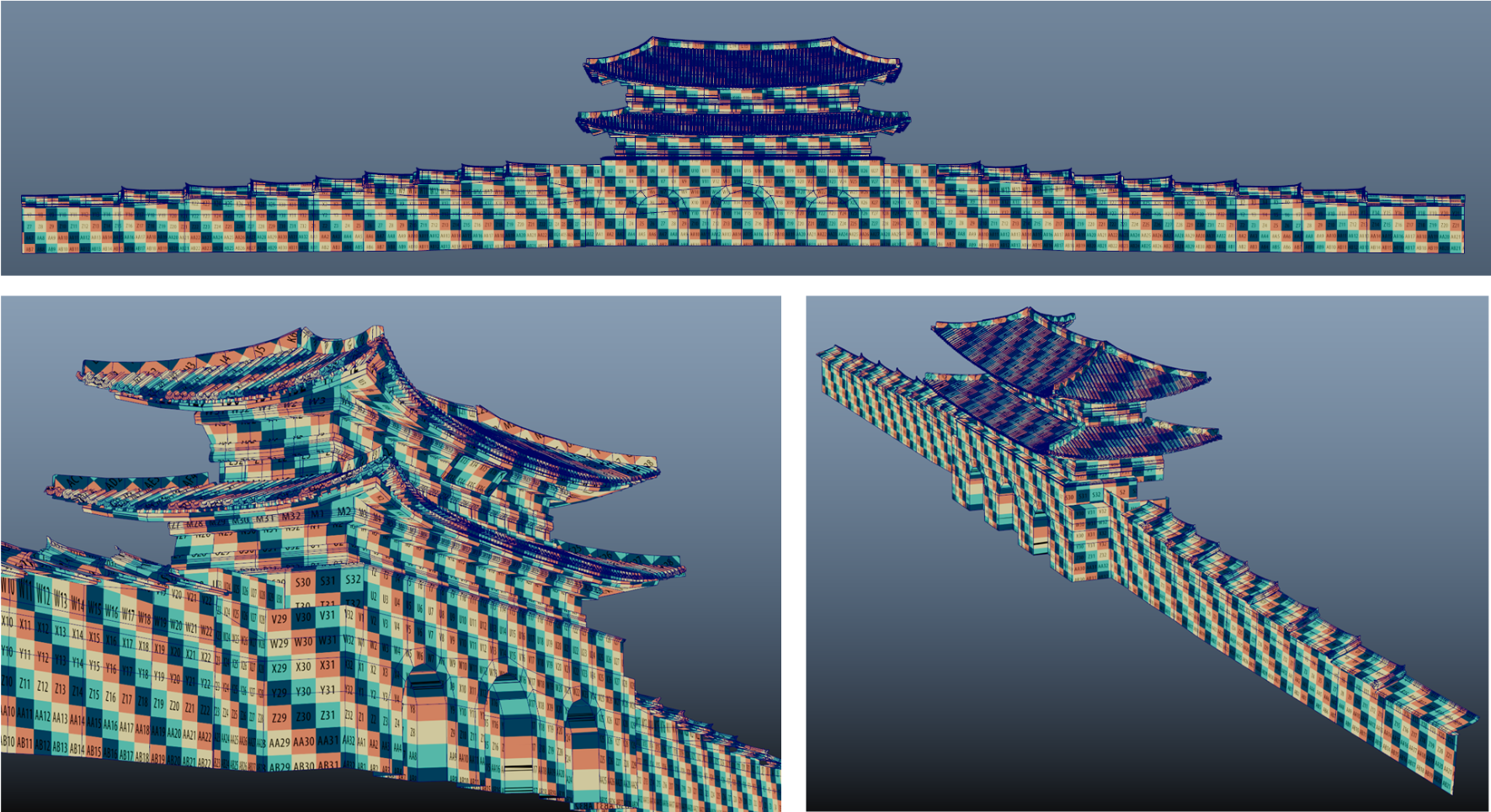 Gwanghwamun geometry created based on 75mm Studio LiDAR scan data
"75mm Studio has produced outstanding results through precise LiDAR scan technology in major projects such as Seoul Light DDP in 2022."
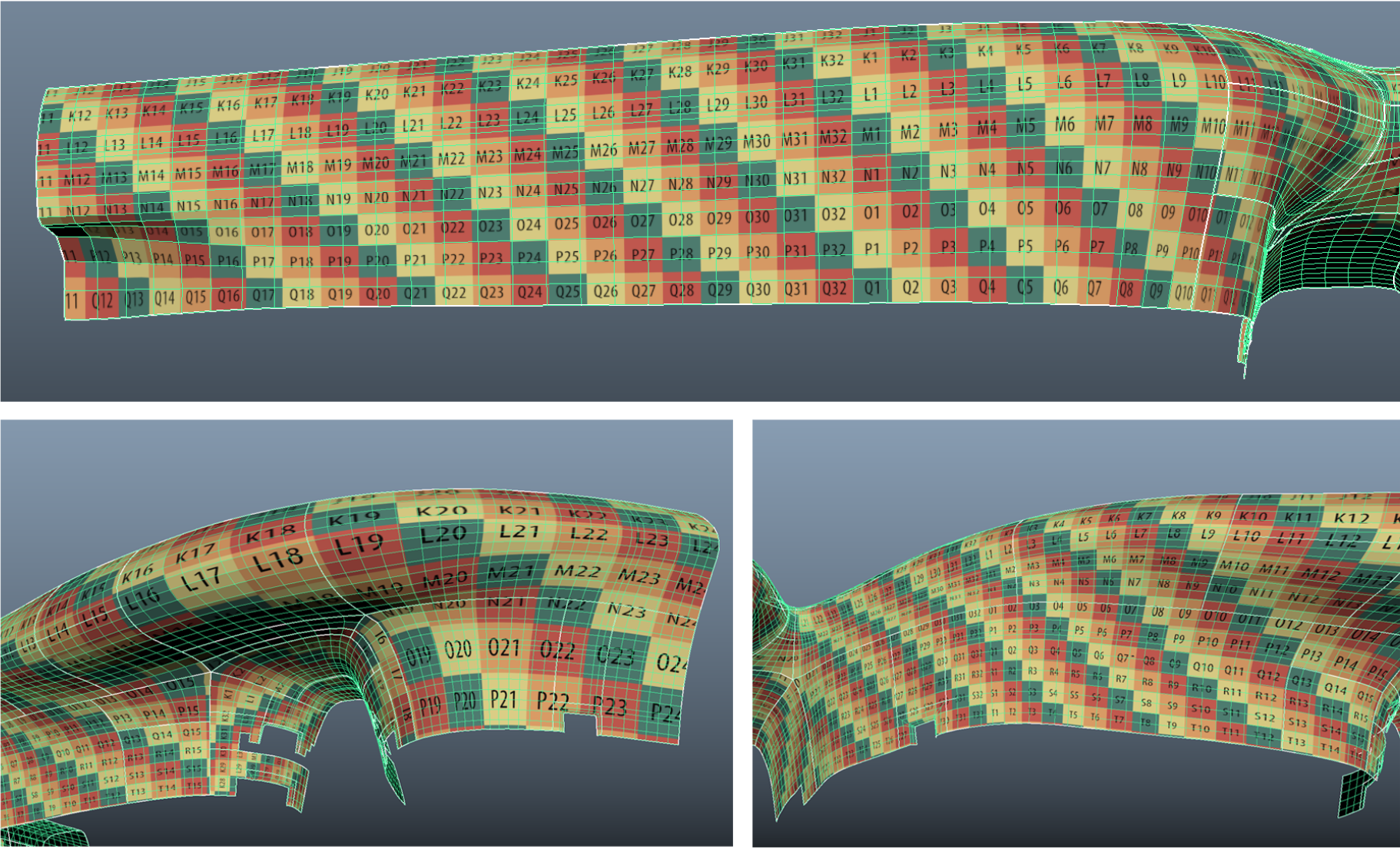 Dongdaemun DDP geometry created based on 75mm Studio LiDAR scan data
In this Gwanghwamun project as well, we were able to complete a touching presentation blending Korean tradition and modern technology on Gwanghwamun by utilizing LiDAR data. Scenes like a ballerina in Hanbok performing a fan dance, or symbolic scenes fusing Gwanghwamun and the Louvre Museum, as seen in the work of French artist David Hugonot, were results supported by 75mm Studio's data.
75mm Studio's Technology and Distinctiveness
75mm Studio significantly increases the efficiency of post-production based on LiDAR scan data with an error margin of less than 3~5mm and high-resolution texture data. We support artists to work creatively using data and save time and effort throughout the entire production process.
The applicability of LiDAR scanning technology is endless in various fields such as media facades, advertising, and architectural visualization. especially in projection mapping-based projects where accurate data is required, 75mm Studio's technology guarantees the successful completion of the project.
Technical Details & FAQ
What is LiDAR scanning and how is it used in VFX?
How does 75mm Studio process massive Point Cloud data?
What is the primary difference between Photogrammetry and LiDAR?
Why is 3D Gaussian Splatting revolutionary for spatial archiving?
Interested in this technology? Contact Us