|
Back to List
Archive 2024-02-13

Incheon Jemulpo Market: Preserving History with 3D Scan Data

Permanently Digitizing Memories of a Disappearing Space
Written by 75mm Studio

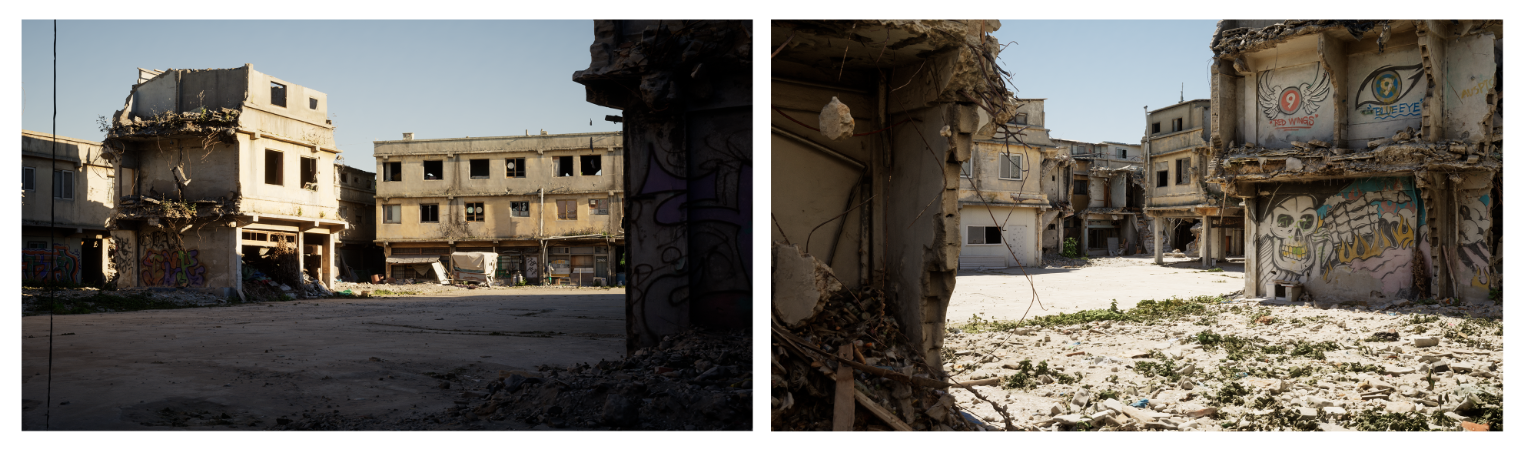
Incheon Jemulpo Market Scan Image 01

Recently, creating data by 3D scanning real spaces has become actively pursued, and its range of applications is gradually expanding.

75mm Studio has been accumulating foundational data usable in various future business fields, and as one of these projects, we introduce Incheon Jemulpo Market.
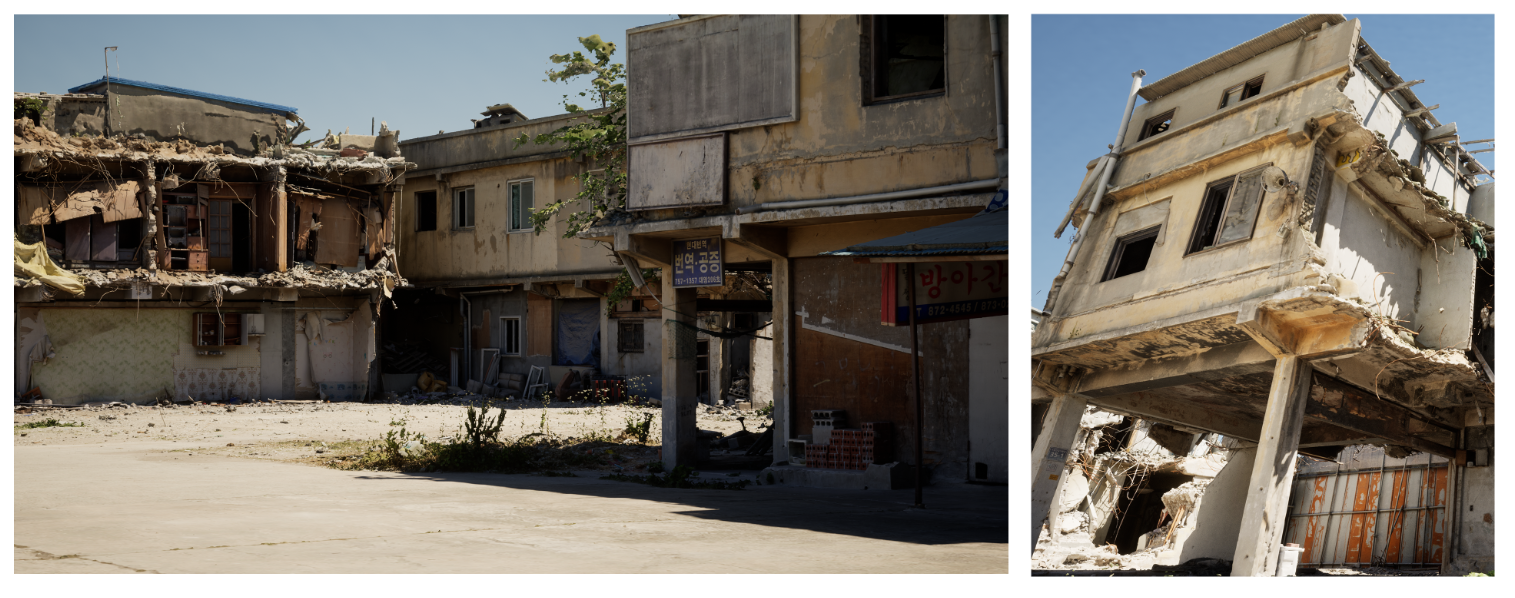
Incheon Jemulpo Market Scan Image 02

Fading into History

Located at 27-57 Sungui-dong, Michuhol-gu, Incheon, South Korea, Incheon Jemulpo Market was opened in 1972 and was one of Incheon's representative traditional markets.
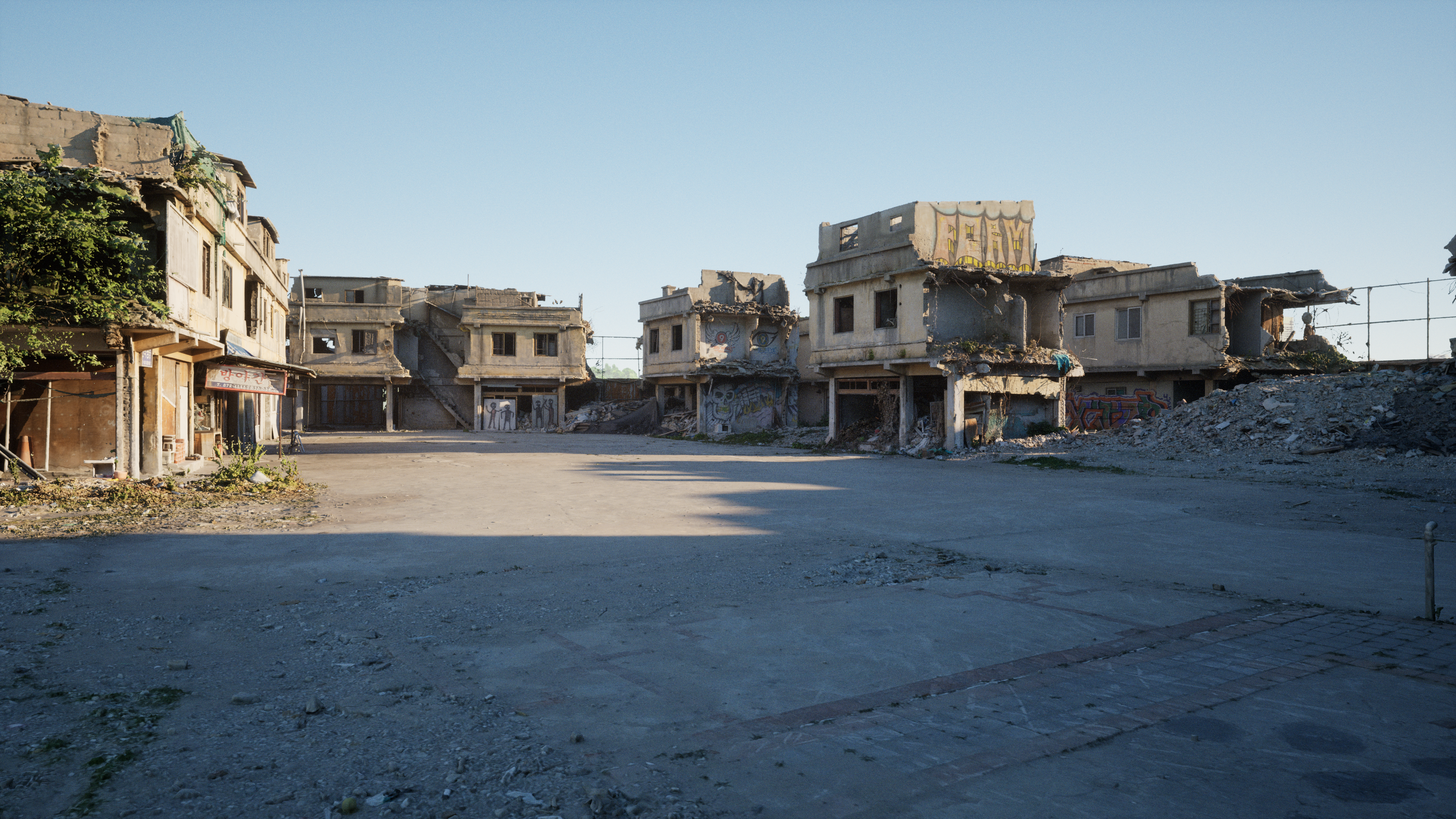
Incheon Jemulpo Market Scan Image 03

Digital Archiving

Leaving behind its once-thriving appearance, it was fading into history and eventually undergoing demolition one by one. We constructed spatial data independently to record and preserve this as 3D data.

Technical Details & FAQ

What is LiDAR scanning and how is it used in VFX?
LiDAR (Light Detection and Ranging) is an ultra-precise 3D scanning technology that uses laser pulses to measure spatial distances. In modern VFX pipelines, precise geometry data acquired through LiDAR ensures that computer-generated CGI environments match physical movie sets with zero margin of error. This maximizes the accuracy of camera matchmoving and virtual set extensions, drastically reducing post-production turnaround times.
How does 75mm Studio process massive Point Cloud data?
Raw point cloud data acquired on-site consists of billions of points, making it too heavy for standard DCC software like Maya or Unreal Engine. We run the raw data through an advanced proprietary processing pipeline that involves point registration, aggressive noise reduction, and topological lightweighting. Ultimately, the dense point cloud is converted via meshing and retopology into an optimized, highly manageable polygonal asset.
What is the primary difference between Photogrammetry and LiDAR?
While LiDAR structural scanning focuses on calculating exact physical dimensions with millimeter accuracy (the 'skeleton'), Photogrammetry focuses strictly on generating photorealistic visual textures (the 'skin'). At 75mm Studio, we employ a hybrid workflow combining the undeniable millimeter-accuracy of laser scanning with the hyper-realistic optical fidelity of photogrammetry.
Why is 3D Gaussian Splatting revolutionary for spatial archiving?
3D Gaussian Splatting is a breakthrough AI-based neural rendering technique that bypasses the limitations of traditional polygonal rendering. It easily captures incredibly complex micro-details such as translucent objects, fine foliage, and specularity. Moreover, it achieves this extreme photorealism while maintaining real-time 60fps render performance, even directly within a web browser, making it the ultimate game-changer for digital twin distribution.

Interested in this technology? Contact Us