Hidden Stories of Seoul's Sewoon District: Recording Forever with Wide-Area 3D Scanning
A project to record the current state of Sewoon District using wide-area 3D scanning
Nestled in the heart of Seoul, Sewoon District is a unique space where the past and present coexist. Once a bustling symbol of Korea's industrialization era, this area is now facing the winds of new development as time passes.
Amidst this vortex of change, 75mm Studio carried out a project to record the current state of Sewoon District using wide-area 3D scanning. It is an effort to permanently preserve the appearance of an area that may disappear due to development by scanning a vast target area of approximately 500,000 square meters.
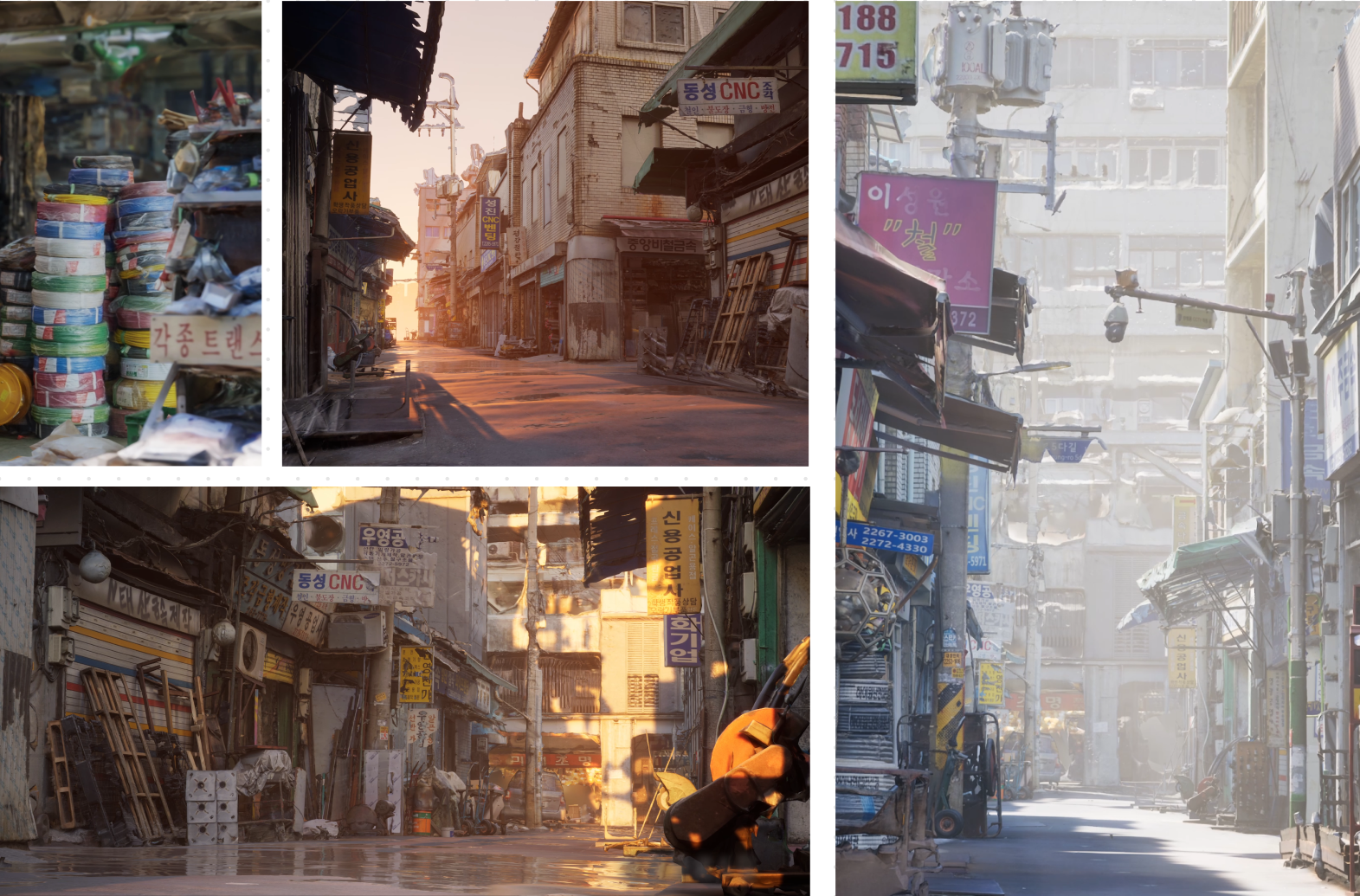
The Value of 3D Scanning: Recording Beyond Time
3D scanning technology plays a vital role in preserving historical and cultural values that we might otherwise lose, going beyond simple recording. Through this technology, buildings, alleyways, and even traces of daily life in Sewoon District are recorded in detail. This will become a valuable asset for future generations to understand and experience Seoul of our time.
Characteristics of Sewoon District: Rediscovered in 3D
Sewoon District itself contains the history of Seoul's transformation. Every alley in this area holds stories from Korea's post-war reconstruction period to the present day, and 3D scanning sheds new light on these stories. Through scanned data, both researchers and the general public can analyze and understand Sewoon District's unique architectural styles and spatial composition.
Significance of the Project
This project goes beyond simply recording the past; it provides an opportunity to rediscover and reinterpret the unique identity and cultural value of Sewoon District. Furthermore, by recording the development and change process of this area, it offers important insights into the impact of urban development on local communities and culture.
Preserving Memories Beyond Time
The wide-area 3D scanning project of Seoul's Sewoon District is a significant attempt to permanently preserve the memories of spaces we are losing through technology. This will be a precious asset that conveys the vivid appearance of Seoul, especially Sewoon District, of our time to future generations. 3D scan data opens up new possibilities for preserving disappearing historical and cultural spaces globally, not just in Sewoon District.
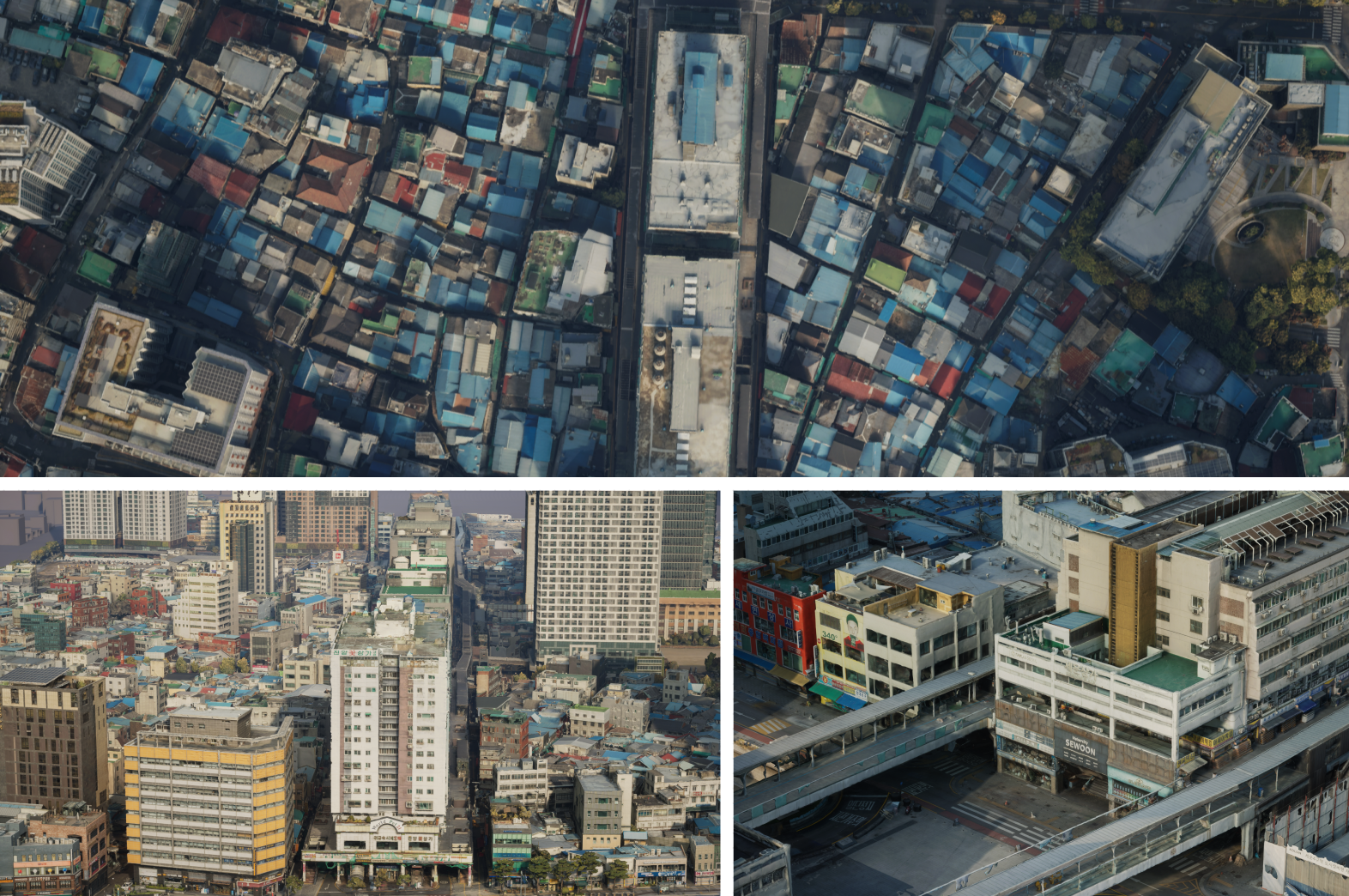
Technical Details & FAQ
What is LiDAR scanning and how is it used in VFX?
How does 75mm Studio process massive Point Cloud data?
What is the primary difference between Photogrammetry and LiDAR?
Why is 3D Gaussian Splatting revolutionary for spatial archiving?
Interested in this technology? Contact Us